


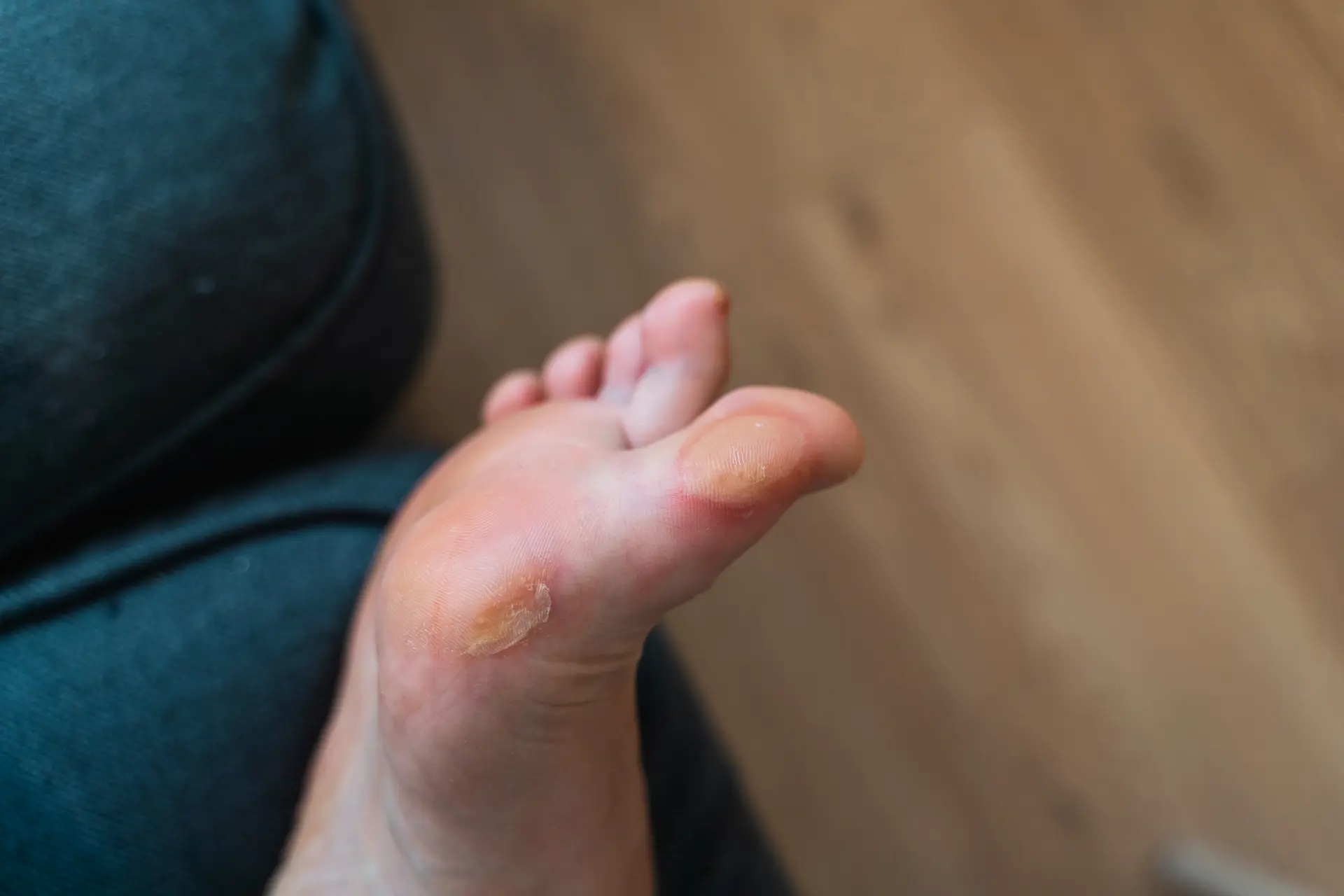
What Is A Corn and What Is A Callus?
Understanding Corns and Calluses: Causes, Relief & Prevention
Many people have corns and calluses, and many people suffer, trying to self treat them with corn pads leading to ulcerations. You really don’t need to suffer as there is a good solution to these foot problems.
What Are Corns and Calluses?
Corns and calluses are areas of hardened, thickened skin that form due to repeated pressure and friction—often resulting from ill‑fitting footwear, gait abnormalities, athletes foot or prolonged standing. Sometimes our skin can get dry due to long periods in footwear, athletes foot or medical issues.
-
Corns: Small, concentrated areas of hardened skin, usually with a hard “core.” They often appear on the tops or sides of toes or between them or under the highest pressure areas of the foot—and can be quite painful.
-
Calluses: Broader, flatter patches, commonly found on weight‑bearing parts of the foot (heels, ball). They provide protection but can become uncomfortable if excessively thick
Why Do They Form?
-
Friction and pressure: Shoes that are too tight or too loose, narrow toe boxes, high heels, or repetitive motion.
-
Biomechanical issues: Foot deformities (like hammertoes, bunions) or gait irregularities create uneven pressure and friction
Treatment by a Podiatrist at South London Foot Clinic
At South London Foot Clinic, our foot specialists offer:
-
Gentle, expert removal of corns and calluses using scalpel debridement—safe, precise, and effective
-
Padding or custom insoles to redistribute pressure and prevent recurrence
-
Footwear advice—guidance on selecting shoes with supportive, roomy toe boxes to reduce friction.
-
Biomechanical assessments, gait analysis, orthotics—and broader tailored care across our medical pedicure and chiropody services
Steps to Prevent Re‑Occurrence at Home
Once professionally treated, here’s how patients can keep corns and calluses at bay:
1. Footwear Modification
-
Choose wide-fitting shoes with a deep toe box, cushioned soles, and a low heel.
-
Avoid overly tight, narrow, or ill‑fitting slides—both too loose and too tight shoes can cause friction
-
Consider custom or semi‑custom orthotic insoles to redistribute pressure built from gait irregularities
2. Emollient (Moisturising) Application
-
Use emollients or urea-rich creams to soften thickened skin and maintain elasticity—slowing the buildup of hard skin
-
Apply moisturiser daily, ideally after a warm foot soak or shower, and finish with soft, breathable socks.
3. Gentle Home Care
-
Use a pumice stone or gentle foot file to soften skin—but never attempt to cut or shave off corns or calluses yourself
-
Stop immediately if you notice bleeding, pain, or irritation.
4. Monitor and Reassess
-
Persistent or recurring corns and calluses may signal underlying biomechanical issues that benefit from professional review. Sometimes we find that a corn that reoccurs very fast, is in fact a verruca
“generally with a callus like that you have an osseous deformity causing it to reoccur—you need to find the origin.”
When to See South London Foot Clinic
Book an appointment if you experience:
-
Pain, bleeding, or inflammation
-
Returning corns or calluses despite home care
-
Underlying health risks like diabetes, poor circulation, or nerve issues
Our clinic offers effective, evidence‑based treatment—ranging from scalpel removal and padding to orthotic therapy, gait analysis, and footwear advice (southlondonfootclinic.co.uk). We’re here to help you feel confident and comfortable again, right in the heart of Honor Oak, Lewisham.
Ready to Take the Next Step?
At South London Foot Clinic, your comfort is our priority. With fixed pricing, friendly professional care, and expert guidance to prevent recurrence, you can step pain‑free once more.
Book online CLICK HERE or call us at 020 3918 1322 to book your tailored assessment and treatment.


