


Nail Surgery vs Nail Avulsion: What’s the Difference?
A painful nail can make ordinary things - walking to the station, putting on shoes or exercising - unexpectedly difficult. When researching treatment, people often compare nail surgery vs nail avulsion as though they are separate options. In clinical practice, an avulsion is usually one part of nail surgery. The more useful question is whether a section of nail, or the whole nail, needs removing, and whether the nail root should be treated to prevent it growing back.
The right approach depends on the cause of the problem, the part of the nail involved, previous treatment and your general health. A clear assessment should come before a procedure, particularly where infection, injury or an unusual nail change may be involved.
Nail surgery vs nail avulsion: the key distinction
Nail surgery is the broader term for a planned procedure to treat a troublesome toenail. It can involve removing a narrow side section of the nail, known as a partial nail avulsion, or removing the complete nail plate, known as a total nail avulsion. It may also include treating the nail matrix, the tissue beneath the skin that produces the nail.
Nail avulsion means lifting and removing nail from the nail bed. It describes the removal element of the procedure, rather than the complete treatment plan. An avulsion can be temporary if the matrix is left intact and the nail is expected to regrow. Alternatively, it can form part of a permanent solution when the relevant section of matrix is treated.
This distinction matters. Removing the offending edge can give rapid relief, but if that edge is likely to repeatedly grow into the skin, removal alone may not address the long-term cause. Conversely, permanent matrix treatment would not usually be appropriate simply because a nail has become damaged once.
When a partial nail avulsion is usually considered
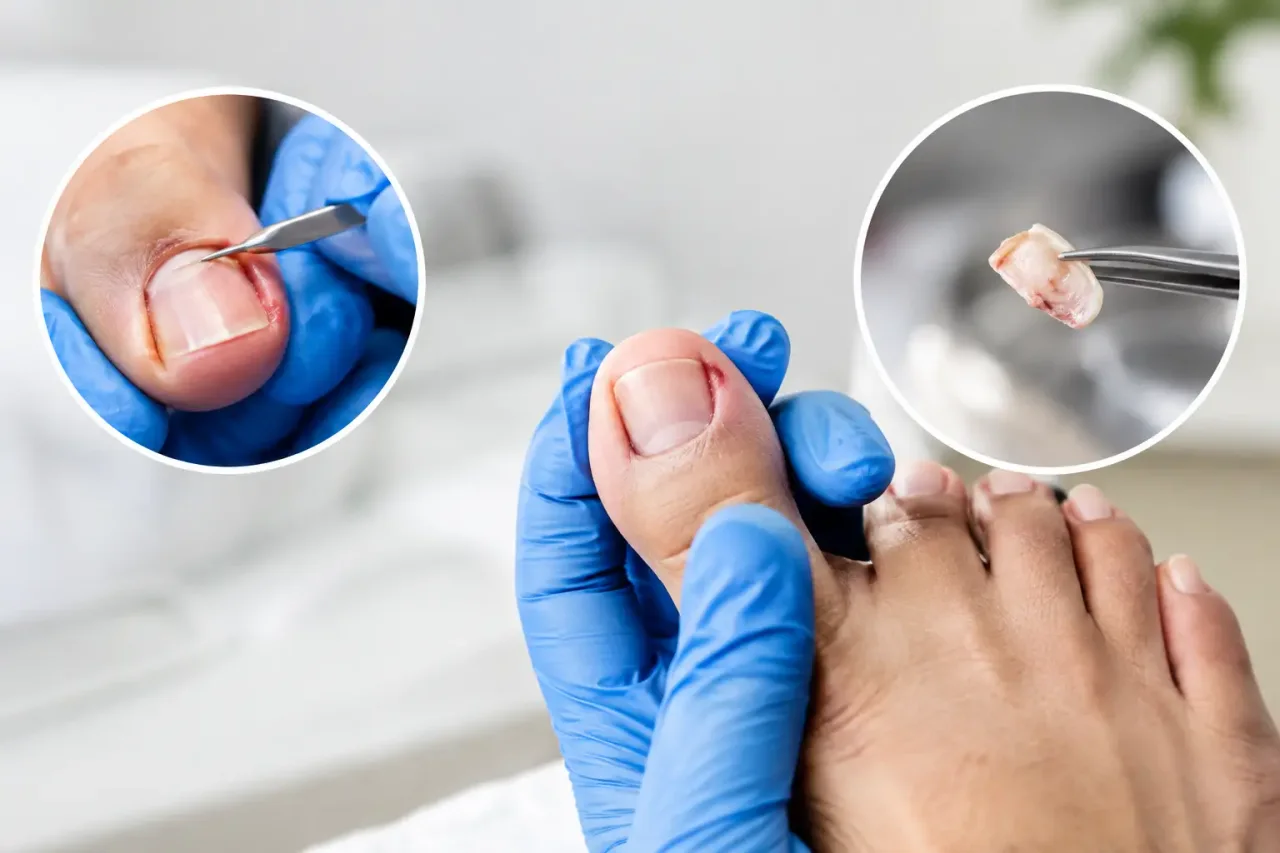
A partial nail avulsion is most commonly used for an ingrowing toenail affecting one or both sides. The podiatrist removes the narrow strip that is pressing into the nail fold, while leaving the central portion of the nail in place. For many patients, this preserves the normal appearance and function of most of the nail.
If the condition is recurrent, the matrix for that side can be treated, often with phenol, to stop that narrow strip from regrowing. The remaining nail grows as before, but slightly narrower. This is often called a partial nail avulsion with phenolisation, or partial permanent nail removal.
It is generally considered where there is repeated pain, swelling, bleeding, discharge or overgrown healing tissue at the side of the nail. It may also be appropriate when careful nail cutting, footwear changes and routine podiatry have not stopped the problem returning.
A partial procedure is not always the answer. If the nail is very curved, thickened, extensively diseased or damaged across its full width, treating only one edge may leave the underlying problem unresolved.
When total nail avulsion may be more appropriate
A total nail avulsion removes the whole toenail. It can be used when the full nail plate is severely damaged, detached after trauma, significantly thickened, or affected by a widespread nail condition. It may also be considered if the nail is causing pain across several borders rather than one localised edge.
Whether the nail is allowed to regrow is a separate clinical decision. A temporary total avulsion may be used to allow the nail bed to heal or to improve access for specific treatment. A permanent total procedure involves treating the entire matrix, so the nail does not grow back.
Permanent total nail removal is a significant decision because the cosmetic change is lasting. It can be an effective option for a chronically painful or repeatedly infected nail, but it should follow a discussion about the likely benefits, healing requirements and alternatives. A regrowing big toenail can take many months to return and may grow with a different shape or texture after injury.
What happens during nail surgery?
Nail surgery is normally performed under local anaesthetic. The toe is numbed with injections at its base, so you should not feel pain during the procedure, although you may notice pressure or movement. Once the toe is numb, the podiatrist removes the planned section of nail or the complete nail plate.
Where permanent prevention is part of the treatment plan, the matrix is treated after the nail portion has been removed. A dressing is then applied and you will receive clear advice about protecting the toe, changing dressings and returning for review if required.
The procedure itself is usually straightforward, but careful planning is essential. A clinician should establish whether pain is truly due to an ingrowing nail, whether there is active infection, and whether circulation, sensation, diabetes, medication or healing history changes the safest approach. Antibiotics are not automatically required for every painful or infected-looking nail. The decision is based on the extent of infection and your clinical assessment.
Recovery: what should you expect?
Local anaesthetic wears off after the appointment, so some discomfort is expected later that day or the following day. Simple pain relief may be suitable for many people, provided it is safe for them to take. Keeping the foot elevated and avoiding unnecessary walking initially can help reduce throbbing and bleeding.
The toe will need regular dressing care. You may be asked to keep the initial dressing dry for a specified period, then cleanse and redress the area as instructed. Open footwear or a roomy shoe can be more comfortable while the toe is tender. Return to running, gym training or impact sport should be guided by comfort, wound healing and the nature of your activity rather than a fixed timetable.
Healing time varies. A temporary avulsion and a partial permanent procedure can heal differently, while total nail removal generally leaves a larger wound area. Some drainage during the early healing period can be normal, particularly after phenol treatment, but increasing redness, warmth, swelling, pain, offensive discharge, fever or feeling unwell needs prompt clinical advice.
Choosing between a temporary and permanent procedure
The decision is not simply about opting for the least invasive procedure. A temporary avulsion may be appropriate after an isolated injury or where preserving normal regrowth is the priority. However, a nail edge that has repeatedly pierced the skin may continue to do so when it regrows. In that situation, a partial permanent procedure may offer a more reliable outcome.
Equally, not every recurring sore toe needs nail surgery. Sometimes conservative management can help, particularly early in the condition. This may include professional nail care, reducing pressure from footwear, managing excessive sweating, or addressing trauma from sport or work shoes. The treatment should match the confirmed cause, not just the visible redness around the nail.
Questions worth asking at your assessment
It helps to understand exactly what is proposed. Ask whether the procedure is partial or total, whether the nail is expected to regrow, and why matrix treatment is or is not recommended. You should also know how to manage the dressing, when normal footwear and activity are realistic, and who to contact if healing does not progress as expected.
When not to wait
Seek assessment promptly if you have spreading redness, marked swelling, pus, severe pain, fever, or a wound that is not improving. People with diabetes, reduced circulation, peripheral neuropathy, immune suppression or a history of delayed wound healing should not attempt to manage an ingrowing or infected nail at home.
A dark streak, new pigmentation, bleeding beneath a nail without a clear injury, or a nail that changes rapidly also needs professional assessment. These changes are not automatically serious, but they should not be assumed to be a routine ingrowing nail or fungal infection.
A treatment plan should be specific to your nail
At South London Foot Clinic, nail treatment begins with assessment of the nail, surrounding skin, symptoms and relevant medical history. This allows the procedure, if needed, to be selected with a clear purpose: remove the painful section, preserve healthy nail where possible, and reduce the chance of an avoidable recurrence.
If your nail is repeatedly painful, do not feel you have to choose between nail surgery and avulsion from online descriptions alone. A focused podiatry assessment can establish what is causing the problem and provide a practical route back to comfortable walking, footwear and activity.


