


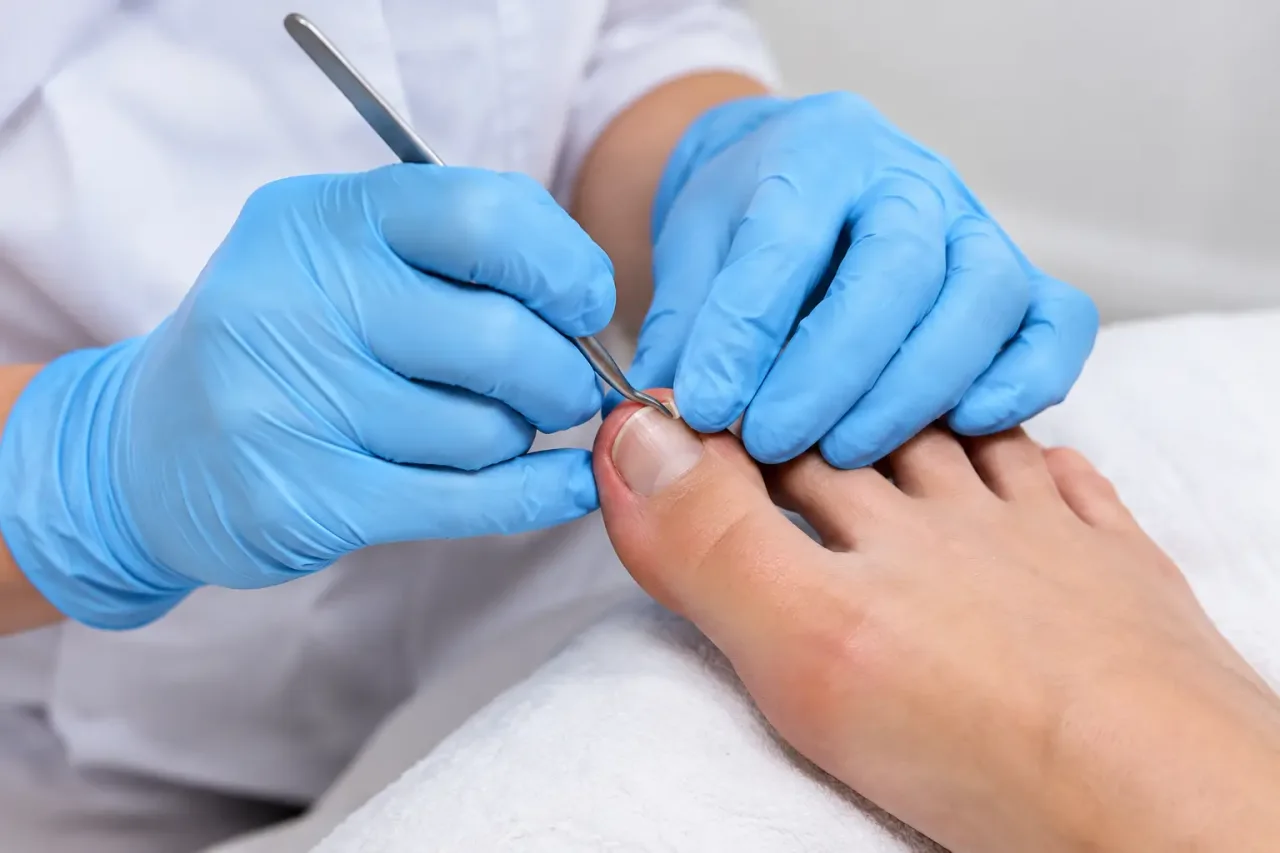
Does Nail Surgery Hurt? A Clear Guide to Treatment
For many people with a repeatedly painful ingrown toenail, the worry is not whether treatment will work. It is whether the treatment itself will be worse than the problem. Does nail surgery hurt? The short answer is that you should not feel pain during the operation itself, because the toe is fully numbed with local anaesthetic. You may feel pressure or movement, and there can be soreness once the anaesthetic wears off, but this is usually manageable with the right aftercare and pain relief.
Nail surgery is a planned procedure, not a rushed response to a sore toe. A podiatrist will first assess the nail, surrounding skin, infection risk, circulation and your wider health before recommending treatment. This helps ensure that surgery is appropriate and that you understand what recovery will involve.
Does nail surgery hurt during the procedure?
The part most patients notice is the local anaesthetic injection at the base of the toe. It can sting or feel sharp for a short time. The toe may then feel full, warm or tingly as the anaesthetic takes effect. This sensation passes quickly.
Once the toe is numb, the podiatrist tests it carefully before starting. You should not feel cutting, removal of the nail section or application of the chemical used to prevent the troublesome edge growing back. You may be aware that the toe is being handled, and some people describe a pushing or pulling sensation, but this should not be painful.
If you feel pain at any point, say so immediately. More anaesthetic can be given before the procedure continues. A careful clinician will not simply expect you to tolerate discomfort.
Why the injection can feel uncomfortable
To operate safely, the anaesthetic needs to reach the small nerves supplying the toe. This means an injection on each side of the base of the toe, rather than an injection into the painful nail edge itself. The needle sensation is brief, but the fluid entering the tissue can cause pressure or stinging for several seconds.
An inflamed or infected ingrown nail can make the toe particularly sensitive before treatment. Even so, the injection is usually far shorter and more controllable than the repeated pain caused by a nail that is digging into the skin every time you walk, wear shoes or catch the bedding.
People often arrive expecting the injection to be unbearable because they have read alarming accounts online or have had a previous difficult experience. The reality varies between individuals, but clear explanation, a calm pace and allowing enough time for complete numbness make a significant difference.
What type of nail surgery might be needed?
The procedure depends on what is causing the problem. In most cases of recurrent ingrowing, only the offending side of the nail is removed. This is called a partial nail avulsion. The central, healthy part of the nail remains in place, so the appearance of the toenail changes less than many people expect.
The nail matrix at that side may then be treated with a chemical, commonly phenol, to stop that narrow section growing back. This is often recommended when the same border has repeatedly become painful or infected. Removing the nail edge without treating the matrix may be suitable in selected circumstances, but it carries a greater chance of the problem returning.
A total nail avulsion, where the whole nail is removed, is less common. It may be considered when the entire nail is severely damaged, markedly thickened, distorted or involved in disease. It does not automatically mean a more painful recovery, but there is a larger area to protect while it heals.
What does it feel like afterwards?
The local anaesthetic normally lasts for several hours. As it wears off, the toe can become sore or start to throb. For many patients, this is most noticeable on the first day and improves steadily over the following few days.
It is sensible to take the pain relief advised by your clinician before the numbness has completely disappeared, provided it is safe for you to do so. Paracetamol is often suitable for adults, while anti-inflammatory medication may be appropriate for some people but not for everyone. Your medical history, allergies and other medication should always be considered.
Keeping the foot elevated on the day of surgery can reduce throbbing and swelling. A roomy sandal or open-toed footwear may be more comfortable initially, although footwear advice depends on the dressing and the weather. Avoid alcohol if you have been advised that it may increase bleeding, and do not drive if you cannot operate the pedals safely or if your footwear and dressing restrict control.
Pain is not the only part of recovery
After nail surgery, a small amount of drainage or spotting on the dressing is expected. This is particularly common after phenol has been used, as the treated area heals gradually. The toe may look red around the wound and can remain tender if knocked.
These expected healing changes are different from worsening infection. Contact your treating clinician promptly if pain is increasing rather than settling, redness is spreading, the toe becomes increasingly hot or swollen, you feel unwell, or there is a significant unpleasant-smelling discharge. Do not rely on leftover antibiotics or attempt to cut away healing tissue yourself.
Your podiatrist will give instructions for dressing changes and follow-up. Following them closely is one of the most effective ways to keep discomfort under control. Dressings should protect the area without becoming wet, overly tight or left unchanged for longer than advised.
How long will the toe take to heal?
Comfort often improves much sooner than complete healing. Many people can walk carefully straight after surgery and return to desk-based work within a day or two, depending on how sore the toe is and the demands of their journey. Work involving long periods on your feet, heavy footwear or a busy commute may require more planning.
A partial nail procedure without chemical matrix treatment may heal relatively quickly. Where phenol is used, drainage can continue for several weeks and full healing commonly takes around four to eight weeks. This does not mean you will be in significant pain for that whole period. It means the wound still needs protection and review until healthy skin has formed.
Running, gym work, swimming and contact sport should be reintroduced according to healing progress and clinical advice. Returning too quickly can irritate the wound, loosen the dressing or increase the risk of infection. For active patients, agreeing a realistic return-to-training plan is more useful than relying on a fixed date.
When extra assessment matters
Nail surgery is generally a straightforward procedure, but it should not be treated as identical for every patient. Diabetes, poor circulation, reduced sensation, immune suppression, blood-thinning medication and a history of delayed wound healing may alter the safest treatment plan and aftercare.
A persistently red, swollen nail fold is not always simply an ingrown toenail. Nail trauma, fungal changes, skin conditions and other causes can produce similar symptoms. A proper examination prevents a procedure being offered for the wrong reason.
At South London Foot Clinic, nail surgery is considered following a structured podiatry assessment, with clear discussion of the diagnosis, procedure, healing period and aftercare requirements. The aim is for you to know why treatment is being recommended before deciding whether to proceed.
Questions patients commonly ask
Will I be able to walk after nail surgery?
Usually, yes. You will leave with a protective dressing and should walk cautiously, particularly while the toe remains numb. Rest and elevation are advisable on the first day, and you may need to adjust footwear temporarily.
Is nail surgery more painful if the toe is infected?
An infected toe can be more sensitive before treatment, especially during the anaesthetic injection. However, effective local anaesthetic should still prevent pain during the procedure. In some cases, the clinician may need to manage significant infection or inflammation before operating.
Will the nail grow back normally?
If only one side is removed and the matrix is treated, the remaining nail generally grows as a narrower nail. If the whole nail is removed without matrix treatment, it may regrow, though the shape can be affected by the original condition or prior damage.
The prospect of nail surgery can feel daunting when every shoe, step or accidental knock is already painful. A clear assessment and realistic aftercare plan can replace that uncertainty with a controlled route towards a more comfortable toe.


