


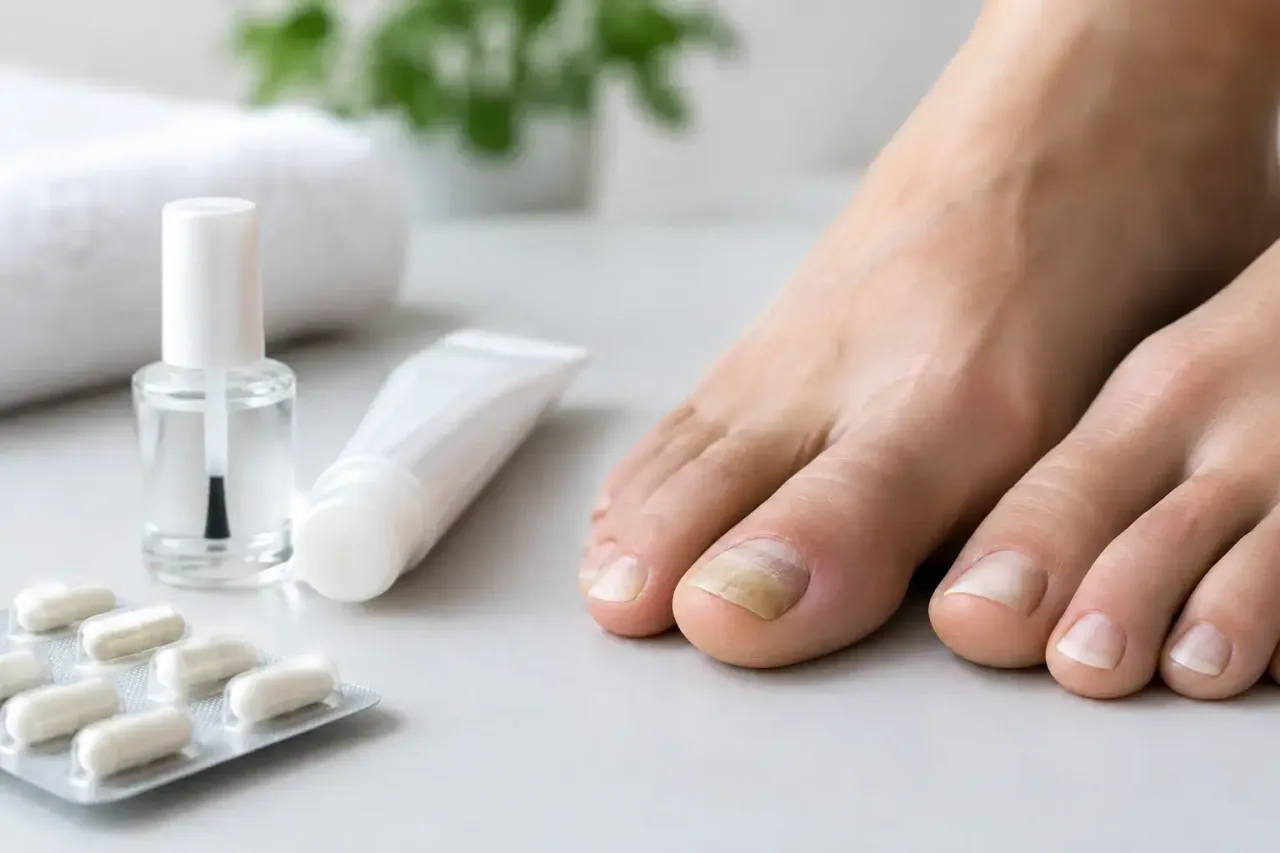
Best Treatments for Fungal Nails That Work
A thick, yellow or crumbly nail can be frustrating, particularly when it catches in socks, causes pressure in shoes or makes you reluctant to wear sandals. However, the best treatments for fungal nails begin with confirming that fungus is genuinely the cause. Nail changes can also result from injury, psoriasis, eczema, ageing, circulation problems or repeated pressure from footwear. Treating the wrong condition with an antifungal product is unlikely to produce the result you want.
Fungal nail infection, clinically known as onychomycosis, is common and often develops slowly. It may affect one nail initially, then spread to others, especially where athlete's foot is also present. Effective treatment is possible, but it requires a clear diagnosis, an option matched to the extent of infection and realistic expectations about how long a healthy nail takes to grow.
Why diagnosis comes before treatment
A podiatry assessment looks at the appearance of the nail, the surrounding skin, footwear pressures and any factors that could be contributing to repeated infection. In many cases, a small sample of nail debris or clippings can be sent for laboratory testing. This can identify fungal elements and, where appropriate, help distinguish fungal disease from another nail disorder.
Testing is particularly valuable before starting oral antifungal tablets. These medicines can be very effective, but they are not suitable for everybody and should not be taken unnecessarily. A confirmed diagnosis supports a treatment plan that is proportionate to the problem rather than based on appearance alone.
The severity of infection matters. A small area at the tip of one nail is different from several thickened nails with infection reaching the nail root. The latter is less likely to respond to a topical lacquer on its own. Your medical history also matters, including diabetes, poor circulation, liver disease, pregnancy, immune suppression and any medicines you take regularly.
Best treatments for fungal nails: matching the option to the infection
Topical antifungal nail treatments
Antifungal lacquers or solutions are often considered when infection is mild, limited to part of one or two nails, and has not reached the base of the nail. These products are applied regularly for a prolonged period, often many months, because medication must penetrate a hard nail plate while the healthy section grows forward.
Topical treatment has the advantage of minimal whole-body side effects. It can be a sensible option for people who cannot take oral medication or who have early disease. Its limitation is that success rates are generally lower for thick, extensively affected nails. Consistency is essential: missed applications and stopping as soon as the nail looks slightly better can allow infection to persist.
Reducing thickness professionally can improve the practicality of topical treatment. A podiatrist can carefully reduce and clear loose, diseased nail material, making the nail more comfortable in footwear and helping medication reach the affected area more effectively.
Oral antifungal tablets
For more widespread or established fungal nail infection, prescription oral antifungal medicine may offer the strongest chance of clearing infection. Terbinafine is commonly used for dermatophyte fungal infections, while other medicines may be considered in particular circumstances. The right choice depends on the suspected organism, your health, potential medicine interactions and clinical findings.
Tablets work through the bloodstream and reach the nail as it forms, which is why they can be more effective than a surface treatment for infection involving the nail bed or nail root. They are still not an instant solution. The fungus may be controlled before the damaged nail has grown out, so visible improvement takes time.
A prescriber may arrange blood tests before or during treatment, depending on your medical history and the medication selected. This is an important safety step, not an inconvenience. Report symptoms such as unusual fatigue, persistent nausea, dark urine or yellowing of the skin promptly while taking prescription antifungal medicine.
Regular nail reduction and foot care
Thick fungal nails can become painful even where a person does not wish to use medication. Routine podiatry treatment can reduce bulk, smooth sharp edges and relieve pressure from shoes. This does not necessarily eradicate the fungus by itself, but it can significantly improve day-to-day comfort and help prevent splitting, ingrowing corners and minor skin damage.
Regular reduction is particularly useful for people who find it difficult to cut their own nails safely, including those with reduced mobility, poor eyesight, diabetes or circulation concerns. It also provides an opportunity to monitor the nail and skin for changes that need further assessment.
Treating athlete's foot at the same time
Fungal infection commonly affects the skin between the toes or across the soles as well as the nails. If athlete's foot is left untreated, it can repeatedly reintroduce fungus to the nail. Peeling, itching, cracking and scaling skin should therefore be assessed and treated alongside the nail infection.
Keeping feet dry after washing, changing socks daily and choosing breathable footwear can reduce the conditions fungi favour. Shoes that become damp through sport or work should be allowed to dry fully before being worn again. These measures support treatment, but they do not replace medication where there is established nail infection.
Treatments that need careful expectations
Laser treatment is often marketed as a quick answer to fungal nails. While some patients may see improvement, the evidence and outcomes are variable, protocols differ, and treatment can be expensive. It should not be presented as a guaranteed cure, especially for severe or long-standing infection.
Likewise, tea tree oil, vinegar soaks and other home remedies are widely discussed but do not have the same quality of evidence as prescribed antifungal treatments. They may delay effective assessment and can irritate the surrounding skin. If a nail is painful, rapidly changing colour, lifting significantly or producing discharge, self-treatment is not the appropriate next step.
Complete nail removal is not routinely required for fungal infection. It may be considered in selected cases, such as a severely distorted nail that remains painful or difficult to manage, but regrowth is slow and the underlying infection still needs to be addressed. Nail surgery should follow a proper discussion of the cause of the nail problem, likely outcome and aftercare.
How long does treatment take?
The infection may respond before the nail looks normal. Toenails grow slowly, and a big toenail can take 12 to 18 months to grow through fully. A successful result is usually seen as clear nail emerging from the base and gradually replacing the damaged area, rather than an overnight change in the existing nail.
Recurrence is possible, particularly if athlete's foot persists, footwear remains damp or nails are repeatedly damaged by running shoes, boots or tight toe boxes. For active people, reviewing shoe fit is worthwhile. Repeated trauma can mimic fungus, worsen an existing infection and make healthy regrowth harder to achieve.
When to arrange an assessment
Seek professional advice if you are unsure whether the nail is fungal, if over-the-counter treatment has not helped, or if the nail is thick, painful or spreading to other nails. Assessment is especially important for anyone with diabetes, reduced sensation, circulation problems or a weakened immune system, as small areas of skin damage can become more significant.
At South London Foot Clinic, nail concerns are assessed as part of a structured podiatry appointment, with clear discussion of the likely cause, appropriate testing where indicated and practical treatment options. The aim is not simply to make the nail look better temporarily, but to establish whether infection is present and choose a safe, realistic route towards healthier nail growth.
A fungal nail rarely improves through neglect, but it also does not need to become a source of ongoing discomfort or uncertainty. A properly assessed plan gives you the best chance of treating the infection, protecting the surrounding skin and seeing clearer nail return over time.


